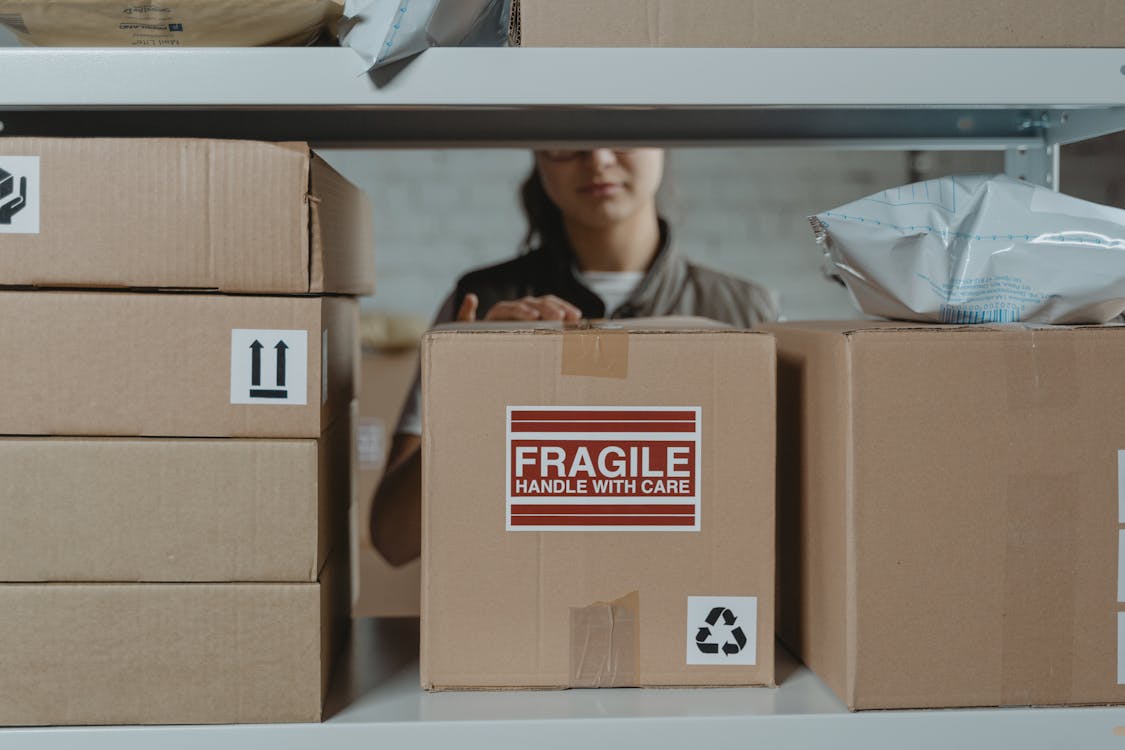
Photo: Pexels
AliExpress sourcing for eBay sellers used to be the simplest route into online selling: find a cheap product, list it on eBay, and let the supplier ship it straight to your buyer. In 2026 that simple version of the model is finished. Duties now apply to parcels that used to clear customs free, shipping times decide whether eBay keeps your account in good standing, and thousands of small Chinese suppliers have closed or merged since January. The platform is still useful — often still the best place to start — but only if you treat it as a sourcing channel with real rules, real costs, and real risks. This guide explains how, step by step, in plain language.
Why AliExpress still matters for eBay sellers
AliExpress remains the largest open catalogue of factory-priced goods a small seller can reach without a trade licence, a minimum order, or a trip to Guangzhou. A seller in Pakistan, the UK, or the US can open an account, compare dozens of suppliers for the same phone case or kitchen gadget, and order a single unit to test. That low barrier is exactly why it became the default starting point for a generation of eBay sellers — and why it still deserves a place in a sourcing plan.
What has changed is the margin for error. When shipping took two weeks and nobody paid duty, a sloppy supplier choice cost you a refund and a bad review. Today the same mistake can cost you your Top Rated status, your account's defect rate, or a suspension. The opportunity is still there. The carelessness is what has to go.
If you are starting from zero, read our complete guide to selling on eBay from Pakistan first — it covers accounts, payments, and the suspension traps that catch new sellers before sourcing even matters.
What changed in 2026: the rules that rewrote the maths
Three changes, all in the last eighteen months, did more to reshape AliExpress sourcing than anything in the previous decade.
First, duty-free small parcels are gone. The United States ended its $800 de minimis exemption for all countries on 29 August 2025, and the exemption's statutory repeal takes effect on 1 July 2027. The European Union ended its €150 duty exemption on 1 July 2026 and replaced it with a flat customs charge per item. The practical result: every China-direct parcel now attracts duty, regardless of value, and the old habit of pricing as though small parcels cleared customs free no longer works. Our full timeline is in De Minimis Ends 2027: What Online Sellers Must Know.
Second, AliExpress itself changed. The platform's Choice programme — managed shipping routed through Cainiao bonded warehouses and regional hubs in Los Angeles and New Jersey — has become the default for most orders. Seller commissions moved to a tiered model in 2026, roughly 5% under $30, 8% from $30 to $200, and 12% above $200, with commission waived on items under $2.99, according to a 2026 platform review by ShopAppy. Choice listings generally ship faster and carry stronger buyer protection, but they also narrow the gap between AliExpress prices and local wholesale.
Third, the supplier base shrank. Sourcing intelligence reported in November 2026 put the numbers bluntly: more than 12,000 micro-factories in China closed or merged since January 2026, Guangdong eliminated nearly 40% of its small suppliers, and an estimated 18% of active AliExpress dropshipping suppliers exited between January and May. Average minimum order values rose from $25–$50 per SKU to $200–$500, according to Alibaba's Q2 2026 supplier report. Fewer suppliers, higher minimums, less room to haggle. The era of messaging ten factories and picking the cheapest is over; the era of vetting three good ones properly has begun.
How to vet a supplier before you spend a rupee
A supplier's product page is advertising. Your job is to look past it. Work through this checklist before any money moves:
1. Store age and feedback, read properly. A store that has traded for three years with 97% positive feedback is a different proposition from one opened six months ago with 99% — the second number is easier to manufacture. Read the negative reviews, not the average. Look for repeated complaints about wrong items, slow dispatch, or refused refunds. One complaint is noise; the same complaint five times is a pattern.
2. The Choice badge matters. Choice sellers are held to stricter dispatch and return standards by the platform. It is not a guarantee, but it is a useful filter: if two suppliers offer the same item at the same price, the Choice one is usually the safer order.
3. Message the supplier before ordering. Ask a specific question — stock levels, whether the item in the photo is the item shipped, how long dispatch takes. A supplier that answers clearly within a day is showing you how it will behave when a customer complains. A supplier that ignores you or answers with a copied template is showing you something else.
4. Order a sample, always. One unit, shipped to you, photographed and tested. This is the cheapest insurance in the whole business. It tells you the real quality, the real packaging, and the real delivery time — three things no product page can. If a supplier refuses sample orders, walk away.
5. Check the scam patterns. Prices far below every competitor, stock photos stolen from brand websites, and pressure to pay outside the platform are the classic warning signs. Our guide to spotting online shopping scams covers the same patterns from the buyer's side — most of them apply to suppliers too. Never pay outside AliExpress. The platform's buyer protection is the only leverage you have.
Finding products that actually sell: the margin test
Most beginners choose products backwards. They find something cheap, then hope it sells. The right order is the opposite: find demand first, then check whether AliExpress can supply it profitably.
Start with eBay itself. Search your category with the "sold listings" filter and sort by most recent. A product with dozens of sales a week from several sellers is demand you can verify; a product with three sales in a month is a guess. Check the selling price, not the listing price — unsold listings tell you nothing.
Then run the landed-cost maths, and be honest about every line:
Product cost + shipping to your buyer + eBay final value fee (around 13% in most categories) + payment processing + duty where it applies + packaging + a refund allowance of 3–5%. If what is left is under 15% of the selling price, the product is a hobby, not a business. Sell The Trend's live November 2026 report on the fastest-growing AliExpress products found an average price-to-cost ratio of 9.29x and average net profit of $97.56 per sale across its top ten — but those are the winners, not the average listing. Your own spreadsheet is the only number that counts.
A worked example makes the point. A gadget costs $4 on AliExpress and sells for $14.99 on eBay. Shipping is $2.50, eBay takes roughly $1.95, payment processing about $0.60, duty and handling perhaps $1, and you allow $0.50 for refunds. Total cost: about $10.55. Profit: about $4.44, or just under 30%. That works — until a return wipes out three sales' profit, which is why cheap, fragile, or sizing-dependent products (phone accessories are fine; clothing is not) are usually the wrong first pick.
Two rules of thumb from sellers who last: avoid branded goods entirely (eBay's VeRO programme removes them fast, and "replica" is a suspension waiting to happen), and avoid anything where a single defect — a cracked screen, a dead battery — costs more than the item's profit. Your first ten products should be boring, durable, and unbranded. Boring sells; exciting gets returned.
Shipping that protects your eBay account
This is the section most guides skip, and it is the one that decides whether your account survives. eBay requires on-time tracking upload on at least 95% of transactions and a Late Shipment Rate under 3% to keep Top Rated status, and a supplier that cannot produce a scannable tracking number within 24 to 48 hours is, in 2026, a policy problem — not a shipping inconvenience. That warning comes from eAsync's 2026 review of AliExpress alternatives, and it matches what sellers report in practice.
Three practical rules follow from it:
Set your handling time to what the supplier actually does, not what you wish it did. If the supplier dispatches in two days and the parcel takes ten, your eBay handling time should be at least three business days. A longer handling time costs you a few sales; a late shipment costs you your metrics.
Prefer Choice and warehouse-shipped listings. Parcels from a Cainiao warehouse or a UK/US/EU local warehouse clear faster and scan sooner than parcels dispatched from a factory in Guangdong. During the Double 11 sale period (1–18 November 2026, with the Black Friday cycle running 19 November to 3 December), AliExpress pushed warehouse shipping hard — use it. The few dollars saved on a slower listing are not worth a defect.
Upload tracking the same day you get it. Do not batch it, do not leave it for the weekend. eBay measures the gap between the sale and the tracking upload, and a supplier who is slow to give you a number is a supplier you should be replacing, not covering for.
The mistakes that get eBay accounts suspended
AliExpress sourcing fails on eBay for the same handful of reasons, and every one of them is avoidable.
Dropshipping the wrong way. eBay allows dropshipping from a wholesale supplier, but it forbids ordering from another retailer or marketplace that ships directly to your buyer — and it holds you, the seller of record, responsible for delivery, returns, and the buyer's experience. If your supplier ships late, in the wrong packaging, or with an AliExpress invoice inside the parcel, eBay counts it as your failure. eBay also tightened its rules in February 2026 against unreviewed agent orders. Read the policy before you list, not after your first defect.
Long handling times set to win the sale. One-day handling on a product that takes twelve days to arrive is not optimism; it is a late-shipment defect on every single order. Set the handling time the supplier earns.
Copying the supplier's listing. AliExpress titles are keyword soup, and its photos often belong to someone else. Write your own title, take your own photos from your sample, and describe the item as it actually arrives. Listings built from stolen photos and inflated claims are the ones buyers open cases against.
Ignoring the VeRO programme. Branded goods, "inspired by" copies, and anything with a logo you do not own will be removed, and repeated removals end accounts. If a product's value depends on a brand name, it is not your product to sell.
Scaling before testing. One product, ten sales, zero defects — then scale. Ten products, zero sales history, and a supplier you have never tested is how new sellers lose their first account in a month.
A practical 7-step sourcing workflow
Put it together and the process looks like this:
Step 1 — Pick a category you understand. Home goods, phone accessories, car accessories, pet supplies. Familiarity beats fashion; you will spot a bad product faster in a category you know.
Step 2 — Verify demand on eBay sold listings. At least 30 sales in the last month across the category, from more than one seller.
Step 3 — Shortlist three suppliers. Filter for Choice, store age over two years, and feedback above 96% with readable negative reviews.
Step 4 — Message all three. Ask about stock, dispatch time, and whether they can ship without invoices or promotional material in the parcel. Keep the one that answers best.
Step 5 — Order a sample. Test it, photograph it, time the delivery. If it fails any test, go back to step 3.
Step 6 — List with honest handling time and real photos. Price from your landed-cost spreadsheet, not from the cheapest competitor. Undercutting by a dollar while losing money on every sale is not a strategy.
Step 7 — Review after ten sales. Defect rate, return rate, actual delivery time, actual profit. Keep the winners, kill the rest, and only then look for the next product. Most sellers fail not because they picked the wrong first product, but because they picked the second, third, and fourth before the first one proved itself.
When AliExpress is not the answer
Honest sourcing means knowing when to walk away. If a product's margin depends on zero duty, a twelve-day delivery, or a supplier with no track record, the product is not viable — the model is. Alternatives worth checking: 1688, Alibaba's domestic platform, for bulk orders once you know a product sells; CJ Dropshipping and similar agents for warehousing and quality checks; and local wholesalers in your own market, whose higher unit price is often offset by two-day delivery and no customs risk. In 2026, 41% of active Shopify dropshippers reported switching or adding at least one non-AliExpress supplier in the previous 90 days, according to the same November sourcing report — diversification is now the normal state of the business, not a sign of failure.
For sellers building beyond a single marketplace, our own store, Digital Selling Point, is an example of the next step: a branded storefront where the seller controls the customer relationship instead of renting it from a marketplace.
Frequently asked questions
Is AliExpress dropshipping allowed on eBay?
Yes, with conditions. eBay allows dropshipping from a wholesale supplier, but you must be the seller of record, guarantee delivery and returns, and you may not order from another retailer or marketplace that ships directly to your buyer. Break those rules and eBay treats every late or wrong delivery as your fault, which is why supplier vetting matters so much.
How long does AliExpress shipping to the UK or US take in 2026?
Choice and warehouse-shipped orders typically arrive in 5–10 days; standard direct-from-China shipping is usually 10–20 days and can stretch longer during sale periods like Double 11. Always check the estimated delivery date on the specific listing before you set your eBay handling time, because it varies by product, warehouse, and destination.
Do I have to pay customs duty on AliExpress orders now?
In most cases, yes. The US ended its $800 de minimis exemption in August 2025, and the EU ended its €150 exemption in July 2026, so duty now applies to small parcels that used to clear free. The exact amount depends on the product category and destination, so build a duty estimate into your landed cost before you price a listing.
What is the safest way to pay an AliExpress supplier?
Pay through the platform, with a card or wallet payment that keeps you inside AliExpress buyer protection. Never pay a supplier by bank transfer, crypto, or any method outside the platform — you lose your refund rights the moment the money leaves AliExpress, and a supplier asking for that is telling you who they are.
How much money do I need to start sourcing from AliExpress?
You can test the model with $50–$100: a few sample orders and one or two small test listings. But treat that as a test budget, not a business. A serious start — samples, a small stock buffer of your best seller, and room for one refund — is realistically $300–$500, and you should not spend money you need for living costs.
Should I use AliExpress Choice or standard listings?
For eBay selling, Choice is usually the better choice: faster managed shipping through Cainiao warehouses, stricter seller standards, and stronger buyer protection. Standard listings can be cheaper per unit, but the slower dispatch and weaker tracking put your eBay metrics at risk. Compare the landed cost of both, not just the product price.
The bottom line
AliExpress in 2026 is not the free-money machine the old YouTube videos promised, and it is not dead either. It is a sourcing channel with new costs — duty, slower supplier turnover, stricter platform rules — and the sellers doing well on it are the ones who adapted: they vet suppliers, order samples, price from real landed costs, and set handling times their suppliers can actually meet. The opportunity has not disappeared. It has moved from the sellers who list fastest to the sellers who check hardest. Start with one product, one tested supplier, and one honest spreadsheet — and let the results, not the hype, decide what you scale.
Sources
- eAsync — "18 Best AliExpress Alternatives for Dropshipping (2026)": US de minimis suspension, EU reform, eBay 95% tracking and sub-3% late shipment requirements. easync.io
- JH Resourcing — "China's Factory Consolidation Is Shrinking Your Supplier Options": 12,000+ micro-factory closures, 18% supplier exits, MOQ rises, DSers intelligence scores, 41% diversification figure. jhresourcing.com
- ShopAppy — "AliExpress changes 2026: new fees, US duties and Choice rules": tiered commissions, Cainiao managed shipping, Choice as platform default. shopappy.com
- Ebrun — "AliExpress Unveils Overseas Double 11 Strategy": Double 11 sale dates 1–18 November 2026, Black Friday cycle 19 November–3 December. english.ebrun.com
- Sell The Trend — "Fastest Growing AliExpress Dropshipping Products" (updated 8 November 2026): average 9.29x price-to-cost ratio, $97.56 average net profit per sale. sellthetrend.com
- Abdulrahim Mughal (blog) — "De Minimis Ends 2027: What Online Sellers Must Know": full duty timeline. abdulrahimmughal.blogspot.com
- Abdulrahim Mughal (blog) — "How to Sell on eBay from Pakistan in 2026: Complete Guide": accounts, payments, suspension avoidance. abdulrahimmughal.blogspot.com
Thinking of starting an online store of your own? Visit Digital Selling Point — practical guides and services for online sellers.